
The Sound of Gold with guest, creative director Tony Giannelli of Music Legacy International

 iHeartRadio iHeartRadio
 Apple Podcasts Apple Podcasts
 Amazon Music Amazon Music
 Spotify Spotify
 Pandora Pandora
 Deezer Deezer
 Podchaser Podchaser
 Audible Audible
 Spreaker Spreaker
 Podcast Addict Podcast Addict
 Castbox Castbox
 Castamatic Castamatic
 Overcast Overcast
 PocketCasts PocketCasts
 Goodpods Goodpods
 Podurama Podurama
 Podverse Podverse
 RSS Feed RSS Feed
 YouTube YouTube iHeartRadio iHeartRadio Apple Podcasts Apple Podcasts Amazon Music Amazon Music Spotify Spotify Pandora Pandora Deezer Deezer Podchaser Podchaser Audible Audible Spreaker Spreaker Podcast Addict Podcast Addict Castbox Castbox Castamatic Castamatic Overcast Overcast PocketCasts PocketCasts Goodpods Goodpods Podurama Podurama Podverse Podverse RSS Feed RSS Feed YouTube YouTube
What is Music Legacy International? Join me today to meet, Tony Giannelli. The creative director of Music Legacy International. A newer creative social platform for musicians to connect locally and around the world with other musicians. Isn't it time that we rise above, amongst our kind in musical unity!
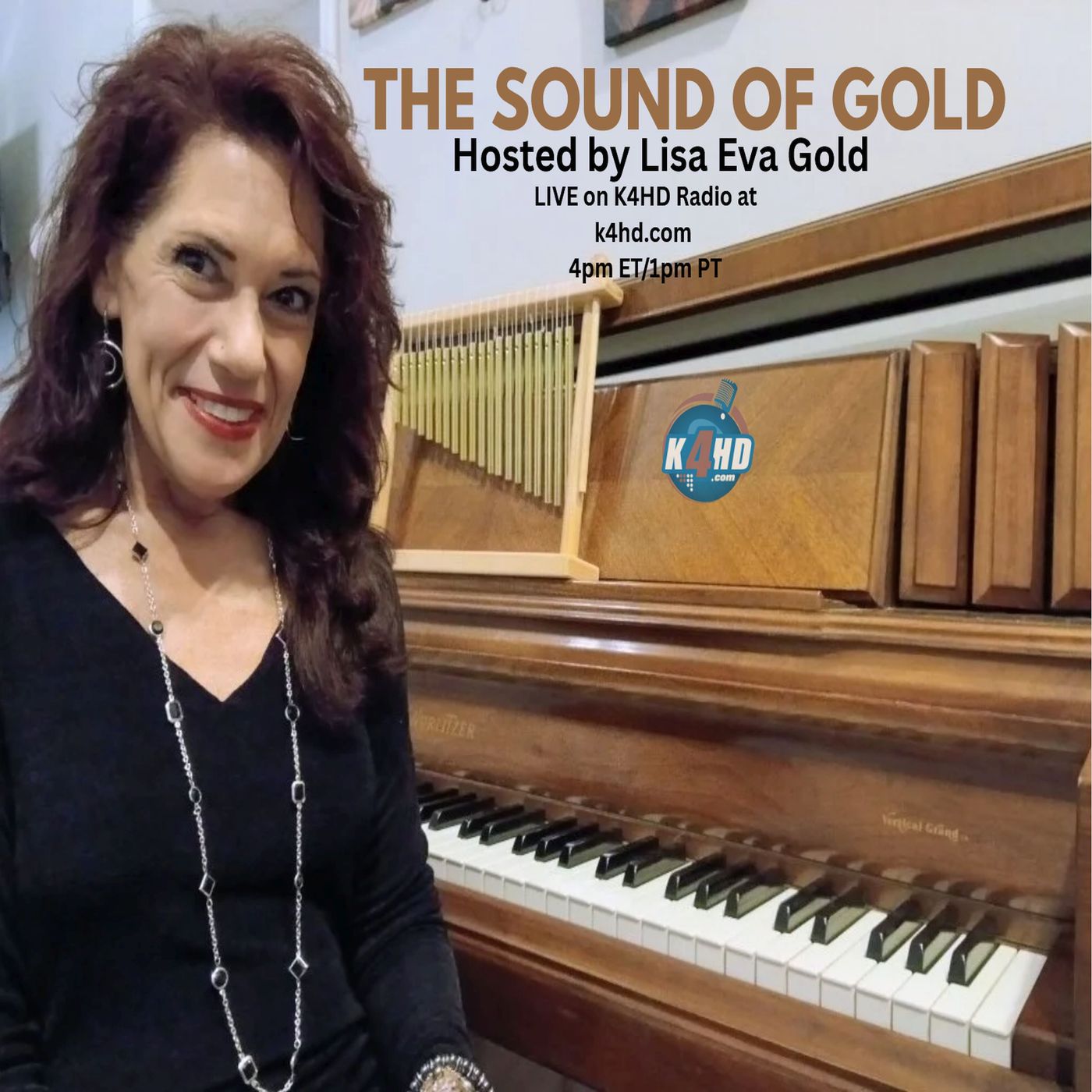
The Sound of Gold is broadcast live Mondays at 4PM ET / 1PM PT on K4HD Radio - Hollywood Talk Radio (www.k4hd.com) part of Talk 4 Radio (www.talk4radio.com) on the Talk 4 Media Network (www.talk4media.com). The Sound of Gold TV Show is viewed on Talk 4 TV (www.talk4tv.com).
The Sound of Gold Podcast is also available on Talk 4 Media (www.talk4media.com), Talk 4 Podcasting (www.talk4podcasting.com), iHeartRadio, Amazon Music, Pandora, Spotify, Audible, and over 100 other podcast outlets.
Become a supporter of this podcast: https://www.spreaker.com/podcast/the-sound-of-gold--6696013/support.
0:01 This program is designed to provide general information with regards to the subject matters covered. This information is given with the understanding that neither the host, guests, sponsors, or station are engaged in rendering any specific and personal, medical, financial, legal, counseling, professional service, or any advice. You should seek the services of competent professionals before applying or trying any suggested ideas.
0:51 Hi, welcome to The Sound of Gold. It is so good to be back here with you again. And I am here in my home music studio in Florida. And The Sound of Gold, we focus on music, music, musicians, music venues, music teachers, music schools, musicology, and anything music, composers, and so on. It is such a privilege to have so many great connections and introduce you to different types of musicians to give you different ideas, different ideas of opportunities, different ideas to grow as a musician. And there's so much I have to share with you today. Before we get into it, I just wanted to welcome you in.
1:39 It's been, even though it's a Monday and it's a holiday here in the U.S., some of us have had the day off of work. And whether you have worked or not today, just want to bring you in with a little relaxation, with a little Monday melody. So © transcript Emily Beynon.
2:52 Thanks again for joining me today. And I am so excited because I have a wonderful, wonderful guest with me today. And as I mentioned, we focus on music. And I believe as we move forward in this world, and as there are so many changes with computers and AI, and there's nothing like real music. There's There is this space and place and these connections I've made. I feel so blessed to tell you that there's this world of musicians and there is this new development called Music Legacy International. And it is a family based.
3:34 I don't know. I can't I don't know if I can call it an organization, but a nonprofit perhaps that has begun to bring musicians from all over the world together. internationally through the internet. And it's beautiful because for me personally, the amount of people I've met and the connections and the opportunities I've been presented through Muget Music Legacy International is just, I mean, I'm just beginning. And I'm so excited to introduce you today to the director, the founder, the owner of Muget Music Legacy International, Mr. Tony Gianelli. Tony, are you sitting here with me?
4:18 Yes, you are. Hi. I am sitting here with you. Yes. How are you, Lisa? Good. Thanks for having me on the show. Yes, absolutely. It's so good to see you. How are you today? Doing great. Doing great. Thank you so much. Yes. You know, Music Legacy International, just to clarify what you were saying in the beginning, is we are not a non-profit. We are a for-profit. And what we do is different. We're not just like a social media site. We're creating real opportunities for people in music, arts, and entertainment. And Helping them make money, getting sponsorships and things like that to help them move their careers and businesses in those industries forward.
5:04 No, no, we are broadcasting live and we are also so we have listeners that are listening and we have viewers that are viewing. So for those that are viewing, they're able to see the scroll on the bottom to connect with Music Legacy. For our listeners that cannot see us right now but listening, how do they connect with Music Legacy? It's pretty easy. You go to musiclegacyinternational.com, and then on the home page, there's a couple different options. You could select the Community Access option from the drop-down menu, or there's a little blue button on the home page right now that says Free Community Backstage Passes. If you just click on that, you could sign in free with just your name and your email. I think now it may also ask you who invited you. So if you put down the Sound of Gold radio show or Lisa Gold, you'll be connected to Lisa in there. And together, we're building opportunities for people in those industries, music, arts, and entertainment.
6:10 By signing in free, you... can connect with over 800 people in those fields. So if you're starting a project and you need a lighting person or a sound person or a guitarist, a drummer, whatever it is that you're looking for, the platform is fully searchable. So you just search for that talent or skill that you're looking for, and you'll get a bunch of people that pop up. And then based on the information they have in their platform is what gets them selected to participate in these different events or opportunities that come along. I'm a member of Music Legacy International. In fact, I'm known as one of the top founders.
6:53 Yes. Thank you. And so it's easy to navigate. It's easy to navigate. I want to jump around a little. Bit, Tony. You and I know each other. Our audience is just learning about music legacy international. But I want to focus on you. My show is always about my guests. And I want to focus on you. What... brought you what inspired you what brought you to create music legacy international. Well for many years i was a musician when i was a kid my grandfather and a lot of people in my family were musicians and um When I was about 10, they paid for me to get guitar lessons and I learned how to play the guitar a little bit.
7:38 But what happened is I started playing music with, especially once there was the Beatles, right? Yes. All those great Beatles tunes were an inspiration. And I guess I was about 12 and all of a sudden songs started popping out of me. It was like I'd hear these songs. And in the beginning, it wasn't like, oh, I'm making up this song. No, it was like, oh, that song sounds familiar. Is that is that that I hear it on the radio? Where did it come from? But eventually I realized these are just coming out of me somehow. So I continued to write lyrics. And then as I got better on the guitar, I could sound out the music that was in my head. And I started playing with other musicians. We put bands together. And then I was lucky to come in contact with a lot of really great musicians. that had amazing careers in the industry. But, you know, I'm not the greatest musician in the world.
8:41 So when my kids were growing up and it came time where they, you know, I had to start thinking about they need to go to school, they need to go to college and stuff like that. I needed a real job as everybody around me called it. So at that point, I still played, but I had to get, you know, get a real job. And then having a job evolved into owning my own businesses. But the thing that launched Music Legacy was during COVID. When musician friends of mine were posting things that said they didn't know where their next meal was coming from or how they were going to pay their rent. Things like that was like, you know, in this day and age, that shouldn't happen.
9:28 And I guess it was back in the late 80s, early 90s. We had a communications company. We were building computers there. And Microsoft wanted us to put their software in our computers. And I was invited to participate in these Microsoft events. Nice. And I was lucky enough to get trained by actually by Bill Gates, that kind of stuff anymore. Amazing. His vision and the way that he approached technology. his business really inspired a lot in me. And, um, So during COVID, I got the idea. I started to design a website, which I'm not good at that either. I just remember in the old days how I used to do it, but it's much easier to do nowadays. So eventually I got somebody to take my idea, turn it into something a little better. It's still a little bit clunky, but before we focus on making the platform pretty, We're focusing on creating opportunities for our members. So what that means is I guess in 2023 or 24, I was invited on the Donna Drake show. She's been on CBS for about 20 years now. She invited me onto her show, did a little interview with her. And then a few
10:59 months later, she called up and said, you know, we're still getting people asking about music legacy. Would you be interested in, in a collaboration with the affiliate studio here in New York. Yeah. So I started doing that. And that's where, when you see the interviews I do with these great musicians, like call for high end, the guitarist from super tramp, the band zebra, Leo knows some telly of the meters and it goes on and on. There's some great artists, um, We interviewed Bob Evans, who was formerly with Badfinger. Sure. And there's just so many great people that we've interviewed from beginner to pro. And that's the main thing that we stand for is we're trying to create opportunities for everyone.
11:49 Right now, the industry is like a big pyramid and the people at the top of them are making plenty of money. But the people who are just coming in are like, Where do I go from here? What can I do? How do I do this? So what we do is the goal is that the pro members reach out to the intermediate ones, the intermediate ones reach out to the beginners, and everybody pulls each other along and helps them advance their careers or their businesses, whatever it is. I love that. It's like you said, I know you said it's a family business, but it's really the family is the music legacy members. I don't have brothers or sisters or family that are actually involved. But, you know, there are some family in there looking at what's going on. Oh, is Tony going to be able to do what he says he could do? But it's exciting to see how it's grown quite a bit.
12:46 And what I mean by family, I'm going to go off on a tangent a little bit, but I know in every community, every state and in other countries, too, there is what we have like open mics or gatherings where different musicians get together and play and we get to know each other. And my concept of family is once you're a musician and you connect with other musicians, we're a family. We have a vein that that we share and it's a drive. It's a creative, artistic drive. to want to perform, to want to give and share the music that lives in us. And that's what I mean by family. And you mentioned something about the pyramid.
13:29 And Tony, you know me well enough to know that my passion for even having this radio show is acknowledging all the talent that's around us day in and day out. And no matter like what you do for a day job or part-time job, and you're a musician, it doesn't matter what level you're at. We're still at the heart. We're still all connected musically. And what was like the icons of like the Bon Jovi, the Led Zeppelin, the way the world is going, it's almost like it's shifting where I think, I mean no disrespect when I say this, but almost like the music world, they were the bottom feeders.
14:12 And we're rising above. And I truly believe in our communities, there are top celebrities that we walk by every day when we're out and about. Because just because you haven't gotten the recognition or the acknowledgement or the publicity, you have a gift to share. And Music Legacy International is that family. that connects us because you've Tony, we only know each other so well, but you brought me in like a family member. And, and I'm. Grateful for that. I'm grateful for your inspiration. And, um, you know, I, I know I get a sense for people and good people and, and you're one of those. And I so appreciate this opportunity to, and then being at one of the top founders for music legacy international, what a privilege. I'm so grateful to you.
15:00 And we're grateful to have you. Thank you. Thank you. And for those that are listening and not watching, Music Legacy International is easy to find. Just type in Music Legacy International dot com and just select the community access option or the free backstage community pass button that's on the home page. It's easy. And once you're inside there, like I said, it's really clunky. It doesn't look great. And most companies wouldn't promote that. But I want to be honest with people up front. If you're looking for a pretty social media site, this isn't for you. But if you're serious about your career and moving it forward with professional people or people at all levels, what you see on the platform is people seeking their own level. And when you create your profile, that tells us who you are, what you do, what you've done in the past, what you're working on now, what your plans are for the future. And what Music Legacy does is we try to help you get from where you are to where you want to be. um and it depends you know do you want to do it all yourself that's fine uh do you want us to help you we're there for you if you need that um and then the pros get to a point where it's um you know we'll do a lot of it for you so uh right now uh we're working with a bunch of the top founders it's it's So
16:31 it's starting to roll where we're asking those questions. You may have just received a survey that says, you know, answer these questions so that we could help you more. The more we know about you, the more we could say, hey, you guys need to connect. So we have one of the other top founders, Desi Desiderio. He's been in music for a long time. He played with the band Zebra and some other great bands, Twisted Sister back in the day. But he came up with this concept of what's called a rock opera lay. It combines a rock opera with ballet dancing. And so we've been working really hard with Desi, got him connected with different ballet companies. And he actually has four companies that are interested in working with him.
17:24 And we're moving that whole thing forward with him. He's he's at the helm. And that's the key about music legacy instead of. it being a pyramid shape, it's kind of upside down, more like a diamond shape. And you're at the pinnacle there and you decide who you're going to work with. So that's, we basically help you get in touch with them, send out the emails for you, follow up to make sure that you replied to the ones that you need to talk to and do all of those things. But the, the, The most beautiful part of Music Legacy is now that we're coming to the point we're about to do the full launch, instead of Music Legacy stuffing our pockets with money, it goes into a fund and the fund pays out to the active members of the community. So what that means is you created your profile that creates audience. points for you. You connect with other members, that connects points for you. You post on the timeline, that creates points. You create an event or an opportunity that opens up opportunities to other members, that's going to create points for you. And just like when you use your credit card and you earn points, you could turn those points into dollars eventually. And um, help you either buy new equipment, buy a cup of coffee, pay the rent, whatever you decide to do with it. Um,
18:56 you know, afford to pay other members to play with you on a gig. Um, and the beauty is because of the searchability of the platform, music venues can come on the platform. And when they find out that Saturday night, the band that's supposed to play, um, canceled the last minute they could go on there and make a post say hey anybody available saturday night from this time to that time um same thing with a band if the member of the band is going to be out for a certain amount of time for surgery they could find somebody to sit in with them until that player is ready to come back. That's wonderful wonderful so in in a big way you've taken um the social media concept and you've connected all musicians around the world to have an opportunity to grow in what they do Yes, absolutely.
19:57 Yeah, and right now we're up to 28 countries worldwide. Wow. And, you know, people in all different areas, stage crew, lighting, engineering, recording studios, venues. You know, guitarists, drummers, trombone players, all different, all different things. And we're still in early access. So we've been intentionally holding back the blowing up of everything. But now we're at that stage where we're almost ready for the full launch. And I think things are going to really take off. And what I always say is we're changing how music gets done. And we're doing it through the artists. So the artist has more control over their career, the direction they go with their career. We're not going to be telling them, hey, you should sound more like this band.
20:49 Right. We want them to sound like them and to do what they want to do. And, you know, if we have ideas that they could do better, either through a mentor or adding an instrument, we'll suggest it. But the ultimate decision is up to the artist. And they make the music that comes from their heart. Of course. Of course. Now, do you, I mentioned this last week, I had Ariel Hyatt or two weeks ago, I had Ariel Hyatt. On my show. Actually, yes, it was last week. And she's, she's been in the business for over 30 years. And we talked a little bit about how the music world, most musicians have a day job or a part-time job because being a musician is it's we're artists, we're creative. We love to perform. We love to be out there, um, inspiring audiences. However, it's not a true income that's consistent. And do you think in like moving forward in our future, do you think that, um, there will be an opportunity for musicians to, to continue to step into maybe having that like as a part-time career, then, as far as income-based?
22:06 Well, here's the idea of our fund, how that works. The more activity that you have in the platform, the more members that you bring in, the more opportunities you become part of, all of those things are going to create those points. And if those points can turn into dollars and it's things that recur constantly, What happens is, I say this a lot of times to people when they're hearing about Music Legacy for the first time, it's like when you have a leaky faucet, one drop at a time falls out of that faucet. But when you put a pot under it, eventually you get a full pot of water. So what that represents is each one of those drips can represent one of those points that you get for doing different things in the platform. But if they're recurring every month, and that that income comes back constantly, and that full pot of water represents the full-time salary that you need in order to be able to afford to do your music. You might not need to go to a job doing something you don't like.
23:15 And you can take that time to focus on your music, whatever it is, whether you want to be in an orchestra, start a band, play in clubs. If you have that income backing you, it's going to be there for you. And you could be you do exactly what you want to do, the style of music that you want to do. and um have a happy life and get paid because right now from what i hear musicians are still getting paid what they got paid back in the 70s it's true i mean unless you're at the top you know if you're at the top of that pyramid you're making some decent money but now what happens when all of a sudden you can't perform anymore you're too old you get hurt um you know, getting up in age, all of a sudden you have arthritic hands or something like that. Um, if you look back to the old days, we have one of our members, Toby Walker, that during his college days toward the U S to all of the hot areas that had blues artists in them. And he interviewed artists in their home. And, um, you know, some of them made out better than others, but some of them, unfortunately didn't have the income coming in and they were, you know, you know, not comfortable in their old age.
24:37 Something like music legacy can change that. If you have that income coming in now that you're popular and you're connected to all these people in these different parts of music, arts and entertainment, you bring them in and that cushion is there for you as you are now stepping out. Sure. And, And it helps you make ends meet and to have a comfortable life. So I have a question for you. I love what you're doing. I love what you're promoting. We share that similar passion to grow and push ahead in the music world and connect worldwide. I don't mean to put you on the spot, but I am putting you on the spot.
25:17 You said that you are a musician as well. Are you still performing? And if you are, other than the social network, Are you, do you have a local band and how do you, how do you see that, I guess, I'm asking too many questions. Are you still performing? I am not performing. I do jam every once in a while. Right now I'm sitting in my home studio where a lot of times people just come over and we'll start jamming. We'll grab out some guitars and I've got a drum set set up in there. Microphones are always set up. So anytime I have an idea or something that I want to do, I just come down, turn on a switch. And even though I'm not performing, I'm still writing. And I have song ideas that are in the making, some new songs that I just completed.
26:12 And as I finish the songs every now and then, I'll post them in Music Legacy. So if anybody wants to go in there, just do a search under me and you'll find everything. I don't know. There's a few songs in there that I've posted. The most important thing is I do love music and I love dealing with artists. And that's what I'm doing now, especially when I get to sit down with people that I looked up to as a kid whose albums I have sitting in my collection. um albums cds cassettes whatever it was and um it's just a thrill for me and you know when still when i pick up that guitar it is like therapy for me yes you know a couple of sometimes my wife will say would you just go downstairs and turn on that guitar and amplifier and uh you know get relieve some of that stress it's like oh that's a great idea.
27:09 Yes that's awesome So Tony, tell us, you've interviewed some very well-known people and then we have, I consider myself even, like the common folk that aren't necessarily considered by the social media as the icons yet. What is the common thread that you see between, if you were in comparison to like the greatest celebrity to your common neighbor who is so talented, What's the commonality that you have found over and over again, other than we're human? Well, one of my first questions in an interview is usually, let's go way back. What was the first thing that attracted you to music as far back as you could remember?
27:58 And doing that is so fun because it makes the newer members or the newer artists, the beginner musicians, it shows them that everybody started where they are right now. Yeah. And you hear great stories like, I saw that I was we were at a cousin's wedding and there was a guy playing the drums or my brother had this guitar. He started to learn how to play it. And he said, don't ever touch that guitar. And when he would leave the house, I'd grab the guitar and start to play just a little fun stories like that that you would hear.
28:39 Everybody started in the same place. Oh, my fingers hurt. Oh, you know, I hated to learn the scales or whatever their particular story is. They all started in that same place. You know nothing. But you love you just have that attraction of the music kind of pulls you in. And some people want to do it and they try and they give up on it. But then there's those people that it's a calling. And it's like that's what you've been put here to do. And what we're trying to do at Music Legacy is. helping them do that and showing them a way that they can do it. Even with all the crazy stuff going on in the world, there's a way that they can still do it, whether it's, um, for fun or as a career, whatever they want to do, we're going to show them how to, do that.
29:34 So I had this conversation with another friend the other day and actually in a group. And the focus is success. So as a musician, as an artist, as a creator, success. And I'm going to go off on a little tangent, but then I want to ask you, you know, we will growing up. I know looking up to icons and celebrities and successful people. you know, it looks so thrilling and exciting and it looks so rich behind the scenes. There's a lot of work that goes into being that person. And I think that the common man, common woman, you know, we take it for granted, like, Oh, look at them, but we don't give them the credit and, and the attention and the respect and the, wow, I know how hard you've worked to be where you're at and to do what you do and, And that income you make is not because, oh, you just happened to get lucky.
30:34 It's you've really worked for it. In your lifetime, when you played with bands, and I know you mentioned the family factor too, like you need to set your priorities. You can't just be like, okay, I have a husband, a wife, kids. Okay, I'm going to see you. I'm going off to play. You need the priorities. But what did you find, Tony, along the way in your personal music journey? that helped you keep a little bit of, there's no balance. I call it a juggle, right? We all juggle. But how did you find that juggle? And did you kind of put it aside? Did you incorporate it in the juggle of family? Did you like put it on hold. What, what's a little bit about your story?
31:20 Cause we all share. It's different for a lot, for a lot of different people, but I think, you know, of course there's some type of talent there. You know, a lot of times people will look and say, Oh, this guy is so talented. He was given this gift. And like you said, yeah, maybe in the beginning, that's true. But if you want to continue your career and have a decent career, you've got to focus and get good at your skill and make it better and unique. And that's why, you know, when people are encouraged to sound like someone else, that's the wrong message. It's the wrong message. And so the talent and the skill is something that has to be worked on constantly. Um, I mean, there are, there are times when things just happen. Like I said, like the song started popping out of me. I really didn't do anything and I couldn't stop it. It's like all of a sudden, boop, boop, these songs and lyrics in my head.
32:29 And I've got probably 20 or 30 notebooks full of song ideas. And, and now that things are digital on my phone, I've got a million songs. different song ideas and stuff that just pop out of me but it's what you do with that yes that makes the difference so sometimes I have an idea that I started back when I was in high school okay oh and I'm looking at an idea I have now and say oh my god these are the same song wow and they all of a sudden like you ever have two bubbles of water on a tablecloth and you yeah You move the tablecloth, the two bubbles become one.
33:10 Yes. That's kind of what happens with the different song ideas that you have. All of a sudden you realize, holy cow, this is really the same song. And the two become one. And stuff like that is just so inspiring. Yes. How does this happen? You know, it's, it's like a mystery of the universe. Right. But, um, yeah, definitely takes work. Uh, it takes dedication, somebody who's really dedicated. And, you know, I hear a lot of times people say, yeah, this guy's 40 years old and he's still doing the music. He thinks he's going to be great. And, hey, it's a calling. You can't put somebody down for following that dream or, you know, like I said, it's a calling.
33:57 It's just sometimes you can't turn it off. I'm at the point right now where, you know, I had bands and we played live shows and that was all great. It was fun and Having the girls jump on stage and grab that ear, that was always fun. But I'm not looking to do that right now because I have so much on my plate with what we're building with this that I see myself making my songs available to other artists. um one of our artists i don't know if you saw in the past couple days alan shapiro okay alan uh wrote a song and it got accepted to be part of a hallmark movie. Oh wow which is yeah.
34:38 Yeah which is very exciting and he's looking to do more you know more sync work like that um and music legacy international is speaking to syncing people who do sync for a living um anybody in music arts and entertainment, we're looking to connect with them, make them part of what we're doing, connect our artists with what they have to offer, make their songs available, you know, to be, to be available. I have something very unique that I'm working on that I don't think anybody's ever done before that hopefully in the beginning of 2027, we'll be able to make an announcement about that. I look forward to that.
35:19 Yeah, yeah. And, you know, just helping artists like yourself focus on what it is that you really want and take you from where you are to get you to where that is. And we're honored to be a part of that process. And we love, you know, meeting the people to help them get there. So if anybody listening wants, you know, to talk more about that, it's free to sign in. Just sign into musiclegacyinternational.com and hang out with Lisa and I and a bunch of the other fantastic hundreds of members around the world that might be those people that might change your life.
36:00 That's right. I love what you're doing, Tony. Thank you so much for creating this platform. And to our music listeners or anyone who's listening, if you're thinking about starting in the music world, I'm going to... I heard something yesterday, and I don't know if I'm allowed to say the name, but I'm going to. I was listening to a recent video from Dr. Joe Vitale. Everybody knows him. He mentioned he was never a musician until he was 60 years old. He's now 70, and he has 15 albums he has out there. So to our music listeners or audiences out there, no matter where you are in the world, it's never too late to start. And I always say one of my personal private students is 95 years old. And with music, there's never any end. Like you say, you know, join us and we'll help you get to where you're going.
37:02 I think in life in general, like we always have this dream of where we want to go, but then once we get there, we're already looking at the horizon, like what's next. Yeah. And I think that is the true human being passion. And, and drive that keeps us going. It gives us purpose. And I think that's why people make it to 95, 100, 105, because they have that vision and they have something to look forward to. And I don't know about you, but music has changed my life. Music can change the mood of a room. Yes. It can get you out of a funk mood into a happy mood. It can bring you back in time to an event or a time. previous that you know was a milestone in your life it's it's amazing what it could do and there are people uh that are using music uh to heal healing yeah i think that's a a fantastic thing i'd like to get more of those people in music legacy and i've.
38:04 Even um told some of my younger students i'd uh i'd say them well if you ever listen to a song in in the car when you're I said, you know, every day we feel a little bit different and that's normal. I said, but sometimes you might hear a song and you're feeling a certain way and you can connect with the song because the sound, the rhythm, the melody, and your feeling connect. And it's kind of a reassurance to say, oh, I feel understood. And that's the beauty of being a musician. And that's the beauty of even just listening to music and feeling acknowledged. And with Music Legacy International, connecting with, I mean, there are so many, Heidi has this, this wonderful program and I've had her on my show, um, the root cause. And we talk about the musician's journey and we talk about, um, how we can relate to our habits and how we show up as a human being, because we're all human and we all have our habits and our, our, um, what, you know, that, that drive that either we're going forward or we're feeling stuck. And she, On Music Legacy International, you know, she offers that support.
39:18 And so for listeners out there, Music Legacy International is not just music. It's a whole, which I mentioned earlier, a whole family of different. Oh, gosh. Artist ways, artist views, artist connections to help us move. In the direction that we want to go, like you said. Yep. There's people that are teachers, mentors. Coaches. Yeah, coaches. And like you said, Heidi's show is fantastic because it's called the Root Cause Challenge. Yes. And what it does is it challenges the artist to look inside at themselves and find that root cause. You know what's happening and and helping that come out and overcome the things that people tell you through the years. Oh, that's no way to make a living. Get a real job.
40:15 And I fell for that myself. But everything, I believe, happens for a reason. If I did not stop music and learn all of the other things by owning a business, working with Microsoft, getting trained by Bill Gates... working for an advertising company, all of these different things, I wouldn't have what it takes to grow Music Legacy and be a good director of the organization. My goal is that when I'm gone, this organization will continue to grow and support the artists around the world. And you said, you had said, you've done different things and now you're here. I had a conversation with a publisher a couple months ago, and I had mentioned, oh, you know, I wrote books, but I'm doing this right now.
41:13 And I said, I know it sounds kind of scattered. And she said something that I'll never forget. She says, oh, no, it's not being scattered. She goes, everything is in synergy. It will come together, just like your songs. Like, you know, we don't know sometimes when we're in the box, right? We don't know all the things that we're doing, how it's, it's gathering like almost like a quilt. Like we're creating our own quilt by the choices we make and how we show up. And especially, um, even more so how we help other people that comes back. To us, Tony. Yes, it does. Yep. Karma as they say.
41:54 Yes. So we have a few minutes left. Um, Is there anything in particular you want to share with our audience today to inspire them not only to join us in Music Legacy International, but give us a little bit more insight as to how important this platform is? I think the platform is very important because in the past few years, you've seen a lot of people getting laid off and Yes. You know, the job opportunities are shrinking. So what we're trying to do with Music Legacy International is make our own opportunities. And that's combining the venues with the artists, connecting, combining collaborations with different opportunities. That's that's what we're doing to try and change things. If there's somebody out there that is inspired by anything that we've discussed, sign in for free. Take a look around.
43:02 Don't expect anything spectacular until you actually start using the system. And the system is create a profile. Start posting on the timeline. Yes. Do a one-on-one with me or one of the team so that we can help you move forward with your career. I love that. Tony, thank you so much. It's been a pleasure having you on the show. And as always, we will keep in touch. And yes, again, for our listeners who are listening and not seeing us, Music Legacy International is easy to find. Musiclegacyinternational.com. And there's a Facebook page. You're on LinkedIn.
43:47 Right. TikTok. TikTok. Instagram. Facebook. Everything. Everything. Yeah. So you're easy, accessible, accessible. I think that's the right word. So Tony, we will be in touch. Thank you so much. Lisa, thanks so much for having us and giving me the opportunity to tell the story and how important it is, what we're doing to help advance people in the industry. Love that. Love that. Thank you. Thank you so much. We will talk soon. And for my listeners today, It is, again, here in the United States, a holiday. And if you have the privilege of having the day off, I hope you've had a relaxing day. It is a Monday. And if you've worked, it's another day to be grateful, right?
44:36 Because we work to get paid. And thank you so much. I so appreciate you. And I'm so glad that you tuned in and listened. I hope you've learned a little bit more about Music Legacy International. And it's a great platform. I'm so excited to be a part of it. And I hope you join us. And with that being said, I'm just going to close us out with a little end of the day music medley. And I look forward to seeing you next Monday. I'm not going to tell you who my guest is, but do join us. Help me keep music alive. Have a beautiful week ahead. And if you are watching this on another day, thank you for tuning in.
45:25 See you next time.


