
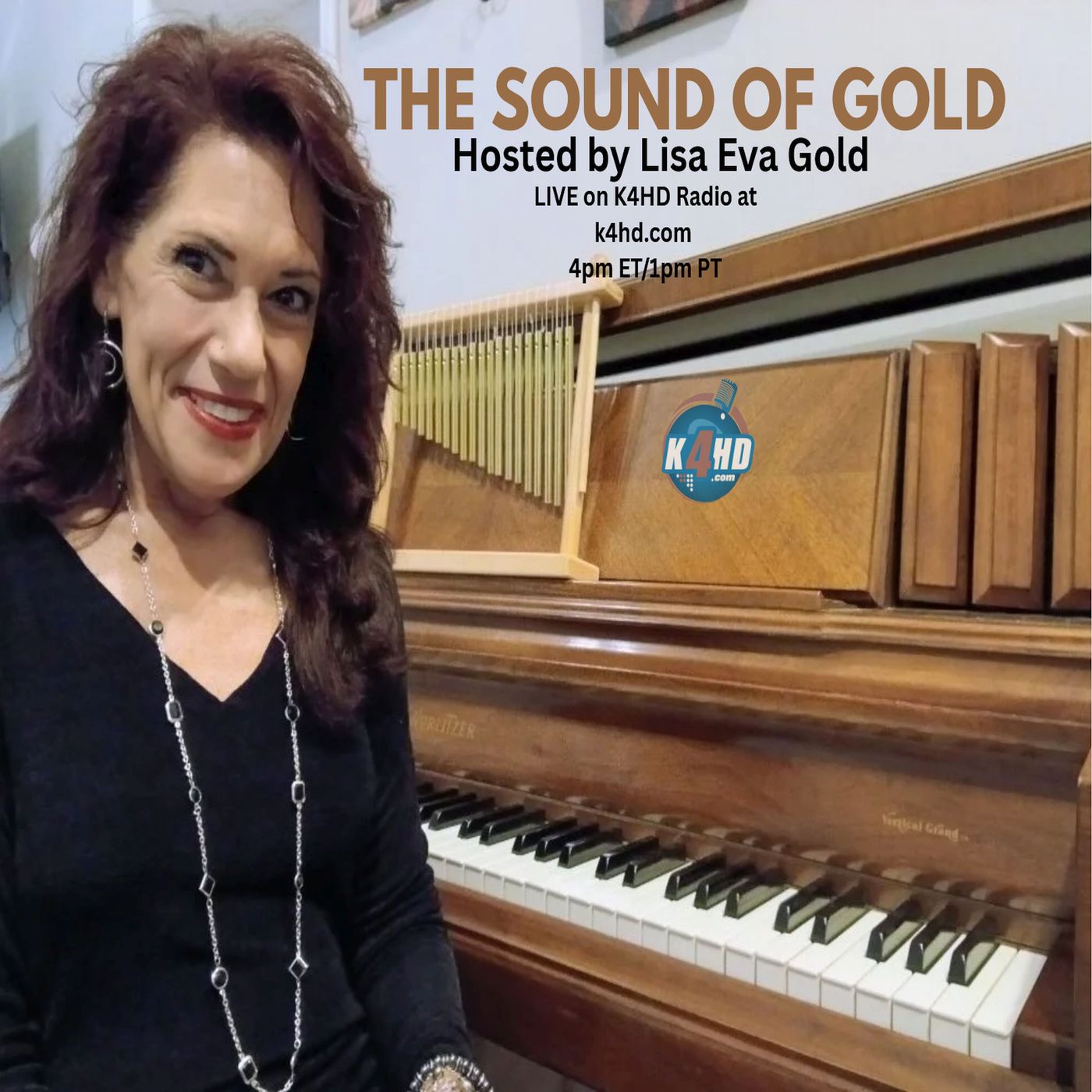
THE SOUND OF GOLD with The Jove Comedy Experience.

 iHeartRadio iHeartRadio
  Apple Podcasts Apple Podcasts
  Amazon Music Amazon Music
  Spotify Spotify
  Pandora Pandora
  Deezer Deezer
  Podchaser Podchaser
  Audible Audible
  Spreaker Spreaker
  Podcast Addict Podcast Addict
  Castbox Castbox
  Castamatic Castamatic
  Overcast Overcast
  PocketCasts PocketCasts
  Goodpods Goodpods
  Podurama Podurama
  Podverse Podverse
  RSS Feed RSS Feed
  YouTube YouTube iHeartRadio iHeartRadio Apple Podcasts Apple Podcasts Amazon Music Amazon Music Spotify Spotify Pandora Pandora Deezer Deezer Podchaser Podchaser Audible Audible Spreaker Spreaker Podcast Addict Podcast Addict Castbox Castbox Castamatic Castamatic Overcast Overcast PocketCasts PocketCasts Goodpods Goodpods Podurama Podurama Podverse Podverse RSS Feed RSS Feed YouTube YouTube
 Todays show is a combo MtCC!! Musical theater, Comedy and Confidence. Tune in to meet some of the biggest entertainment inspirations in south florida entertainment. Today is a special episode! Listen in to learn what it takes to make it to the big stage. Its easier than you think.
The Sound of Gold is broadcast live Mondays at 4PM ET / 1PM PT on K4HD Radio - Hollywood Talk Radio (www.k4hd.com) part of Talk 4 Radio (www.talk4radio.com) on the Talk 4 Media Network (www.talk4media.com). The Sound of Gold TV Show is viewed on Talk 4 TV (www.talk4tv.com).
The Sound of Gold Podcast is also available on Talk 4 Media (www.talk4media.com), Talk 4 Podcasting (www.talk4podcasting.com), iHeartRadio, Amazon Music, Pandora, Spotify, Audible, and over 100 other podcast outlets.
Become a supporter of this podcast: https://www.spreaker.com/podcast/the-sound-of-gold--6696013/support.
0:01 This program is designed to provide general information with regards to the subject matters covered. This information is given with the understanding that neither the hosts, guests, sponsors, or station are engaged in rendering any specific and personal medical, financial, legal counseling, professional service, or any advice. You should seek the services. Of competent professionals before applying or trying any suggested ideas.
0:52 Hi there, welcome to the Sound of Gold. It's good to be back. It's Monday afternoon in the US and or early evening almost and wherever you're tuning in from, thank you for being here. The Sound of Gold is focused on music, musicians, music venues, music teachers, and music schools. I have several special guests today, and I'm so excited because today not only are we focusing on music, but we're focusing a little bit more into the theater. With musical theater, we're focusing on comedy, and we're focusing on confidence because when we're on stage and we perform, we just don't want to show up and just play our instrument and just not give up performance, because our presence and our performance is what makes our show. If you live in South Florida, you've seen the Jove. You know about the Jove. They've been working together for over twenty years.
1:54 I'm so excited to welcome my guest Frank, Jesse and Travis. Lise join me from backstage. Hello, Lisa, Hi, Hi, Thank you so much for being here. I know how busy we all are. You mad time to be on this show you have. I could have each of you on a show by itself, because you are all so talented. You have so much want that you don't want that. Lisa, you have so much to give back to the community, and I mean, your talents just go beyond the roof. So I'm going to kind of rick a schey off of each of you. For those of you that are watching, you can see all four of us. For those of you that are listening, we are all here. So the Joke has been around. You guys got together about twenty years ago, maybe a little bit more. You guys perform at the Jove and at the Performing Arts Academy, now the Lighthouse Theater and Jupiter. Before we get to the comedy part of it, I would love for each of you to share a little bit about your journey as far as like how you got to be where you're at in the joke, and Frank, I know you just got off a flight, so why don't you start us off?
3:07 And we want to keep you awake? Oh man, Well, how do I get to where I'm at? Well, it's a long, convoluted story, but I'll make it as quick as possible. I grew up in Canada, started off as a musician and got a scholarship to study acting in the city in New York and moved there on my nineteenth birthday. Worked there for a bunch of. Years in theater and TV and film, and then became a blue Man and that kind of was the pinnacle of my theatrical most people's theatrical lives, and yeah, did that show for eleven hundred shows, and then got into a place in my life where I was like, Okay, now what And everything happened so quickly that I was only twenty five at the time and when I got that show, So by the time I hit twenty eight, I was ready for a change. I was going to move to la and wright sitcoms, and I decided to move to Florida, of all places, and started a school in a theater which is the.
4:08 Theater in school that we perform in to this day. So did that. And now I'm back up in New York for the last almost ten years. I can't believe it, actually it is ten years. And back at yeah, back at film and TV and producing and making movies. And that's my story. That's it. That's awesome. And I know you're doing some work and right now, and you're like musicians and I've said in other shows of my as a musician, as an artist, we are always creating. There's never any downtime. When there is downtime, we're thinking about what we're going to do next. Yeah, pretty much. No, absolutely true. Yeah, it never ends. I wish it could at times, I really do. I wish I could turn it off, but I can't. It's always something going on and you just you leap and then all of a sudden you're into something completely different that you never thought you'd be doing. Like you know, the stuff I'm doing now is it's crazy, but it's good.
5:01 It's all good, awesome, Travis. Do you I would love to hear a little bit about your journey. And I know all three of you are like brothers from from other mothers to me. Because I know you guys so well and my extended family. It's good that we're all together today. Travis, give us a little background as to how you've gotten to where you are for our listeners. Yeah, I was unlike Frank and Jesse, I really don't have any acting or musical talent, but I did find improvisation living in Boston. Actually, Frank and I were there at the same time, but didn't know each other while he was and I, you know, I found improvisation by taking classes at a theater in Boston called Improv Asylum.
5:46 My wife and I had just moved to the city. Wait, wait, did you call that improv asylum? Improv Asylum? Yes, yeah, they're still there and they've grown quite a bit. But yeah, I was. I went through their classes there. It was a training center. It took about a year and a half to go through with with really no intent of being a performer. I just really loved what improvisation sort of taught me. I mean, it was fun first and foremost it was fun, and then beyond that, it's it helped sort of introduce and develop a skill set that I thought was much bigger than just you know, comedy and the stage, and so when I had the opportunity to audition for their touring company, so I did that and actually I made the cast, and then over the next couple of years I sort of worked my way up to the main stage cast, and so that it was about four to five years being involved with the theater there. And then so when I, my wife and I moved to South Florida around two thousand and three, I was looking for you know, improv or theaters in the area and found Frank and and found Jesse through Frank, and then you know, it was like, hey, you know, you guys want to you know, have an improv group, produce some improv and they said yes, and so two thousand and four, I believe November two thousand and four was the first was the first show that we did. And now here we are. What are we in?
7:10 Year twenty two? Now twenty two? Man? Yeah? Stuff? And boy do we look at Yeah? Have an aged a minute? Oh it comes back. It's delivering that. Jesse, thanks for ching he now, yes, good. I know we're all busy. I appreciate each tuning and you're traveling. Everybody to say this right now, I don't hear anything. What happened? Can I just say that everybody that can't watch this right now, you have missed Jesse sending everybody unbeknownst to him messages on his little subtitle that says.
7:54 Can you hear me? I have no sound, I have no picture. We're really sorry at lease. So you should have known having a song was going to be a train wreck, and Jesse is the conductor right now. You guys are the best. You guys are the best. We should probably let Jesse go Lisa's before before it next delivery. Jesse, can you give us a can you know? I'm sorry? Can you share this a little bit about your para? Because the Joe this is the joke live, all scripted, This is all scripted. Lisa right here.
8:37 Please tell me you started working for Dominoes and that's why. Right now it's too funny. Oh gosh, people, go ahead, Jesse, tell us how you got to where you're at. Yet hers. Oh people, this is great. I can tell you how Jesse? Can I can I tell Jesse's story talk right now? I actually know Jesse's story very well. And uh Jesse, Uh, Jesse's one of the uh unique dudes I've ever met and he's he started off actually in in Florida theater. Uh did a ton of Florida theater. And I met him when I first started cool. Uh And by the.
9:22 Way, Jesse, if you can hear this, you can cut in any time you want. But since you can't, I'm gonna talk for you. And so I met Jesse in my I was teaching an adult acting class and Jesse walked in and within probably three days, we were fast friends. He was very talented and. Uh, he's about to crash in his car. I don't know what's happening over there, but this is fantastic. Uh. So any of you that are listening on radio, here's what you're Here's what your chort is gonna be. You're gonna go back and you're gonna get the link. To the visual of this, and you're gonna want to watch this over because this is anyway. Jesse started locally. He came into my class. I recognized that he had some talent, and we became best friends, and he became a teacher at my school, became the manager of the theater that we now are in, and that he now I believe owns a piece of After I sold it back in twenty fourteen. So now he's there, and he's a great guy and very funny. Obviously, has no clue how to operate technology, which is great, and doesn't realize his camera is facing up towards the little of his star.
10:27 I mean, it just gets it gets better and better. So well, thank you, Frank, thank you for stepping in for Jesse. Jesse. Jesse does a lot of musical theater. But not a lot of TV. A lot of musical theater not behind the screen but on the stage. Yep, Lisa, it should be no surprise that Jesse also owns a vintage shop called Kelsey Vintage or does his knowledge of technology is also vintage. Yes, rooted in nineteen forties. So right now he's cranking up his gradmophone, hopefully hoping he can use he can hear. Something when you're ready.
11:11 Please he's obviously, I. Mean, he's your probably without him and just yeah. Too funny. Well drive safe. Whatever he's doing. I don't know what he's doing. I hope he's okay, Frank. I wanted to I wanted to focus a little bit on you do movies, you do film on television, You've worked with PBS. You've worked in the movie industry on film, what can you tell our listeners out there who want to get more involved in acting and getting more involved in making connections to maybe take that route.
11:53 Yeah, well, look, I mean I have we lost Jesse by the way, everybody, that's why it's quiet, no I I yeah, I mean, look, I've been doing it since I'm nineteen years old, So it's a matter of there's sometimes there's longevity in the business where you stick around long enough, you start to make some headway. And I think that's probably part of it. I'd like to think I was a little talented along the way. But you know, the film and TV business has changed so much over the past thirty five years that I've been a part of it, and it's been kind of it's changed every five to six years really, So the old adage of you know, get to the major centers, you know, I think still, I think still is the way.
12:35 To do it. I know that we've become so digital and we've become so remote. Now you can work from anywhere, but it's all about gaining experience, you know, having that experience. Having that now it's a little easier for me in some respects, and it's a lot harder in other respects because as you get, as you get sort of quote unquote more popular or bigger, you're now going up against people that you know, people know, so the job become harder to get and I often like, right now, I mean just to be current. I don't know when this is. You know, I know that we're going live, so whenever you listen to this right now, I'm up for a major role opposite Nicholas Cage for something right, which is writing. But I also realized that, you know, it's me and seven guys that you've seen on the latest whatever shows.
13:22 So before it was a little easier because I was in the rung below and I was going up against people that were unknowns, and I feel like my talent, you know, could shine through that. But now it's become more about the popularity side of things, so you're up against people that have huge social media followings or names, and it becomes a little more difficult. But entry level wise, you could do it in any market, you know, it's just a matter of putting yourself out there, getting the right technical things in place. Today you can audition from like we are right now, you could be on your laptop, on your at your desk, putting in auditions and auditioning for things all over the world. Does it mean you're going to be you know you're going to get them? No, not necessarily, but you can do it. It's a lot more accessible than it was when I first started. But yeah, it's it's about putting in the putting in the work.
14:06 And you've mentioned you start when you were nineteen, So it's not just like anybody could just go an audition. You want to go through the training, you want to take the you want to make an investment. It's not about the money. It's about the value you put into yourself and it's the knowledge you gain and the people you meet. Well, it's taking yourself seriously and taking what you do seriously as a craft. Right, Like I always used to say this in my acting classes. You know you want to be a doctor. You can't just show up at the hospital and start operating, right. You need to go put in the work. And there are certain professions that mandate it for you. They tell you you have to you need this, you need this, you need a degree, you need eight years of school. You can't be a lawyer unless you have a B and C. But our business, as we all know, the creative business.
14:48 You know, you're sitting at a piano right now, and we're going to trust that you know how to play, but you know, anybody considered a piano and then start to go play somewhere right, Like comedy is a great example. You just go to your local club and write three jokes and you can get up on stage. You can sing anywhere. You can pretend to be an actor, you can. But if you're really going to take yourself serious you want to make a career out of it, whether it be music or you know, acting and dance, you're gonna need training and you're gonna need it at a at a high level if you want to compete with that level of people. So yeah, so I went right to three years straight. I did a four year program in three years in New York, and then did more training and got private teachers and and then you learn by doing, But you learn by doing after you have a certain technical proficiency, right, I would I would equate it to music where you've taken your lessons right and you know music theory and you know, but then you join a band, and that's really where you learn how to play with people and you know, so there's a lot of things that that are there that go into it. But yeah, if you take yourself seriously, then people will as well.
15:55 Great, And it's like music being a musician, it's never ending. It's always like there's always something more to learn. There's always something more to do, or maybe a song for me that I've played ten times, like, oh wait, I could play it a little differently. And you play music as well, you can always improve your own skill. It's almost as if I'll speak for myself, I am my own competition. Yeah, there's no question because you're you know, especially with music. I think you know, like you just said, we could play the same song you and I at the piano, or sing a song or whatever. The key that makes you unique is our own interpretation of it, and you can have It's like having an opinion. You could have an informed opinion or you could just have an opinion.
16:37 So if it's. Informed, that means that your your take on it comes through years of work, years of you know, playing in music, and years. Of watching You're just gonna have to watch the watch the show Live's so glad. But am I really here? Can you hear me? I can hear you. I did it, I did it. Oh what did I miss? H Well, you missed your own bio, which I gave as best I could, because we asked how we got to where we got here, and I kind of gave what. I remember everything of you because we've known each other so long and I knowing knowing your work locally and before you met me and all that stuff.
17:20 But oh, yes, looks great. It's good to see. Yeah, we've got to hear a little background about your journey in musical theater and your journey in being with the joke. Okay, why does my head look bigger than everybody else's. That's just who you are. That's just who you are. I hate to break it you. Yeah, that's you're just talking my head. Look, no, no, come back, keep it close, keep it close. The Jove, Wow, the Jove journey. I'm sure they already told you about the twenty two years ago where we we uh where I worked for Frank at the studio in theater and we were doing you know, normal acting stuff, and then try I was sauntered in from Boston and a lightning struck.
18:06 He'd like to mosey in. He mosied in, and yeah, we started doing. Shows, and there's a you know, a quarter almost a quarter century ago, my head was a lot smaller than and I'm not I'm not musical theater. Really, I've been in a couple of musicals. I was more of the guy that would put on very little clothing and run around on stage. Frank and Travis have the voices. I'm just more of the body. I don't know if he's ever heard Travis sing, but a. Beautiful boy like a songbird. But you do teach theater, you I don't. Teach the musical theater. I mean, I can fake it till I make it, But I do teach theater. That's where I am now. I'm in the theater. Now, that's where I was going the Hells of ninety five. That's I figured nothing would be more entertaining than seeing my large head in a car on nine to ninety five, coming right.
18:59 Thank you. I just figured all of the watchers and listeners would want to see that as I struggling technology. Well, thank you for making the time to be with us today and tell our audience because a lot of people out there that are listening are thinking about getting involved with either acting or playing an instrument, or even musicians that are just getting started. Like your performance like you do musical theater, Like how important your performance is on stage. You don't just have to play an instrument, you have to show up and perform. Can you give us a little background on your teaching techniques on that?
19:41 Oh for me, sure, Yeah. I teach from ages seven years old to I've just student new seventy seven, so it's never you're never too old. I have a lot of recent students the last couple. Of years that say, I did it in college, I did it when I was younger, and I miss it and I want to get back, and they're relighting that flame. So to speak. So, yeah, whatever you feel you're talented in, I think it's more of the expression of the art of you just going and doing it and enjoying it versus whether you know you feel you're good enough or not. I think if you enjoy it, I think that fuels most everything. It's just your your passion for it, your love, and just it's in your blood. You got to do it, that's it. You got to do it.
20:21 You gotta do it. No, Travis, you are. You're each so special and talented in your own way. Travis, you bring to the table. That sounds a little badcaded Lisa, in. Your own way. I want to know what way I want Travis to explain his way of being talented. I can't wait. On, Lisa, go on you you have. I always wanted to be a part of the show. This is so exciting. You don't know how many times I wish that you guys would like pick on me like I want to be in the background, like raising my hand.
21:04 I got a ticket picking on ourselves that anybody else. I'm sorry, Lisa, that's okay. You do. You offer coaching, and I've read your Confidence Book. I'm almost done with it. But I've read your Confidence Book most of it, and I've learned so much from it. Confidence you guys are cracking me up. Confidence is so important on stage, let alone in like sports. Can you tell our audience, can you share with us a little bit about your Book of Confidence and how that applies to performing on stage? Yeah? Well, the most important part of the Confidence Book, or or my use of confidence, Lisa, is you know so the book title is called confidence is overrated, yes, because I think in you know, in our line of work, whether whether you're an entertainer or or trying to be successful performing at anything at a high level, I think there's that idea that unless I feel confident, I can't be good at I can't be good at what I do.
22:07 And so as you know, think of the reasons that people wouldn't want to go take an acting class or a music class or do something like that because they know that they're probably not going to be really good at it. So there's not a lot of confidence on the front end. There might be excitement on the front end, but there's probably not a lot of confidence that they're going to be good at it. But when, but when it comes to developing a sense of comfort on stage as a performer, whether you're a musician or an actor or really I think Frank and Jesse would would agree that anyone who in any pursuit of their career of what they're doing, uh to have taken an acting class, you know, whether it's an improvisation class, but even in an acting class in general. You know, Frank talked about having an experience, there's really kind of no you know, replacement for experience, and so by just getting up on stage, getting up in front of people, have to get comfortable with those nerves, Lisa, you know, and I think it's maybe we start to call it confidence at some point, but I think it's it's a comfort with a comfort with the nerves, a familiarity with the nerves where or maybe less intimidated by them, and not having them prevent us from moving forward like like it does at the beginning.
23:24 And so my my job as a coach, and you know, I really kind of got into the coaching space and the mindset performance space, you know, after finding improvisation. And so for me, improvisation was such a great tool to help people with mindset and performance because it forces you to have to stay in the present moment, to think on your feet with what is happening in the moment, and then to be adaptable and flexible and a problem solver. And I think by getting training around that, whether it's acting or whatever it is, it just sets you up for whatever career path that you're on. I love that. I love that, and I've there's a book called Talent is Overrated.
24:08 I forgot the author, but yes, Daniel Coil maybe I think Yeah. I think so everyone is talented. It's a matter of what I mentioned earlier, is what you the time and attention you put into learning. It's the value you put into yourself. It's not oh my god, I got to spend this kind of money. It's well, what's the value that you're giving yourself. It's not you know, we put too much emphasis on on what we're buying, what we're spending on, but what is it that you're getting back? Yeah, And I think just that idea, you know, it's the difference between fixed mindset and growth mindset. You know, a lot of people still believe in that fixed mindset, which is well, you'll hear people say like, well, I'm just not wired that way, or I wasn't born with that, or I you know, and it's like, well, yeah, because most of us aren't sort of born with things. We all have certain strengths and weaknesses that come more naturally to others. But the idea that uh, there's not there's not room for improvement, and and someone can have very low ability in a skill set, but by dedicating getting the right training and putting in the time and the effort the practice to it can become really proficient, if not excellent, right at that thing. And so I think we still kind of use that that fixed mindset as a as an excuse for people to not pursue things that they're interested in.
25:30 Here and you have another book called Yes. It's Three Words for Getting Unstuck. It's live Yes and and for. Those of you who don't know, I remember the yes part. Yeah yeah, yeah, yes and being the basis of improvisation. And so it's it's my attempt at how we can apply some of these principles of improvisation to getting unstuck in some of the aspects of our life. And for our listeners out there and those that are watching as well, how do we how do we cannnect with getting your milk? Where do we go? Do you have a website? Or do we just go to Amazon? And you know what, you can make it quick and easy if you go to Amazon right now? Both books are there? Yeah, okay, nice, nice Travis? What show do you have coming up next at the theater? Thank you, Travis.
26:17 You're welcome of me or Jesse Lisa, Well, now I was. Asking Jesse about what show he has coming up next at the theater. We have an adult community theater production called The Master I'm sorry, The Serving of Two Masters. That's the first two weekends in April, and then we're doing we have a children's production in May called Game of Tiaras. So those are our next two productions that we're doing, and we don't have a joke on the lineup. Have to see what the we've got to work on the gentlemen with better backgrounds, what their schedules are available. And Jesse usually, well, I've seen a couple of plays there and you are not only a teacher, but you're an actor that gets involved with with your class, which is huge because you're not just you know, you don't come across as the authoritarian. You come across as a team player, and so that is not intimidating and actually I think as a student very welcoming.
27:14 Sure. Yeah, I enjoy the process and like to have fun. And for years, you know, when Frank and I did Christmas Carol, he was Scrooge and I was Marley and kids were kids, and I love getting in there to be, you know. Do the shows with them. It's super fun. It kind of raises the bar for them and gives them a little bit more accountability, and then I've last year, I was just an actor in a show and got directed by somebody else and loved it and really enjoyed that process. Oftentimes it's you're you're. A chief, and sometimes it's nice to be an Indian every once in a while and just get better at what you do and just enjoy that process versus how he's having to be in charge and pay in control. And so sometimes it's it's a little bit of both, where you get to, you know, almost direct yourself and the kids and just enjoy the process, have fun, learn and grow and enjoy it.
28:00 That's great. I love that advice. Frank uh I han't seen the movie Walt Disney or was it just Walt? Yeah? Well, and you you were fabulous in that film. Could you share with the audience a little bit about what it's like to be on film as an actor, what the experience is? Yeah? Yeah, that was a that one was dear to my heart. I actually wrote that movie and produced it as well, so I kind of got to and I didn't write myself. That carriage a real person that I played in that movie. But you know, every experience on film to me is there's two aspects to you know, being on film, in film and TV. There's the there's the technical aspect that I think is the hardest to get to get uh to get over and and where where it's it becomes a process more than it becomes something organic like I love this guy.
28:56 You guys got to watch this out there. You have to be actually. Even speak seriously. No, you know, film is Film is a technical medium. So I would say of anything that I do, film is probably as a creative in the actual doing process the least quote unquote fun only because it's so technical, right and and and that's okay. It's a it's something that you have to sort of be prepared for. It's not like being in theater, on stage or on a live stage within any sort of way. So it's a technical medium that that can see can sometimes be a little tedious. Obviously, there have been different types of types of moments. That movie specifically was an indie project that that I produced and and and wrote. And there was a whole other aspect to that because I was also producing, so the understanding of time and budget and all the other things. I also cast that movie, so there was a lot going on for me to do that role, and so when I actually got to act in the movie, it was a relief because it was the easiest thing, even though that role was very difficult.
30:03 He was a Yugoslavian Jew who stutters, which for an Italian, you know, it's a bit of a stretch. But when I finally got to do the role, it was almost like I don't have to worry about who's on set, what's happening, where's the next location. So it was actually relief to actually act in that. Yeah, that's awesome. So I have some experience, maybe not to your level, but I will say to the audience out there when it comes to performing on theater in comparison to film, from my experience, on film, you're on film, you have a take, take one, take two, take three, and that's it.
30:45 You're done. Where theater it's usually like three four times a week you're you're rehearsing and then you have your show Friday, Saturday, Sunday and sometimes for two weeks in a row. But you have that that practice time. So there's a difference between theater and film acting because of the presence and the performance you have to put into it. Yeah, it's it's again the process is different. Like you know, you talk about takes right like when I you know, obviously having done a ton of theater before film and TV, you know, doing nine shows a week of the same show, yes, affords you a few things depending like and again most people that don't work. You know, if you're working on a you know, on an off Broadway equity showcase, you're only doing twelve shows, but that twelve show run, like you said, Friday Saturday Sunday, let's say, or Thursday, Friday Saturday.
31:35 You have it for four weeks. There's an end goal, and you go, Okay, every night you're trying something different, but you're trying something different for an hour and a half where you're in character and you're you're immersed. In that world. And so typically by the twelfth fill you got the you kind of got the character, and then it's and then it closes. I had the experience of multiple times where I could do hundreds of shows of the same character, and then by the time you were done that you have now lived in that character's life in so many different ways, with so many different elements and energies. Because every audience feels different in all those things. In film, the challenge in film is twofold. It's you have a character's story, this arc, and let's say from page one to page one hundred and ten, you have this arc.
32:23 Well, you might be filming page. Sixty five first, so now you have to do all your pre work, prep work prior to shooting. You have to find through lines, and that's where a director comes in handy. You have to make sure that your character is consistent so that when we put this all together and we stitch it in the editing room, it actually looks like you made the journey. And then you've got maybe. If you're a well, i'll just call myself if you're a B level actor. And what I mean by B level is I'm not Tom Cruise. I don't get everything I want, how long I want to do whatever I want? Okay, Then you know, once you get on set, you got to know your stuff and you're probably not going to get more. Than two to three takes at one scene. So you have to create that moment, that little two page scene, which in theater you've had weeks and weeks to rehearse, and now by the nineteenth show you've got it down and you know the timing.
33:13 But in film, you've maybe done one. Blockthrough and you maybe haven't even gone to a table read if you're not one of the major stars, and so you've got three takes to nail that part and hope that you're doing service to the lead, because that's really what you're doing when you're a supporting actor, you're doing service to the story and the leads. And then then you don't get to do it ever again and it's gone. And that's the difference is that now now on the flip side, it lives on forever. At performance that you only had a finite amount of time to prepare for, aute takes nothing and then is on and you have it forever. Theater which you work, you're in six weeks and then you do a show for three years you'll never see again, and you'll never see each performance ever, and so it's it's a very it's a unique blend of things makes it exciting. Both are exciting in different ways because when the movie comes out, you're seeing your performance for the first time and you hope it worked. But in theater, you know, the excitement is you've gotten to do that hundreds of times and you've gotten to hone it and change it and work with it.
34:20 And I think that's what makes live performance, you know, more fun, is. Because there's that thing, you know. And I just want to add something that what Travis was talking about. I think we talk about confidence, but I think it's the wrong word sometimes. I think the really the word is courage. I think it's the courage. Right. We were taught you talking about to get out there, and do you need the courage to start anything? Then you can live a. Long time with misplaced confidence where you get out there and you just know, I'm just gonna do it. Yeah. When the real confidence comes in is after you've done the work and you really know your craft, then you can go out there and confidently be free.
35:04 It's like Lisa, it's like learning. The music right, like learning knowing the time, signature, learning everything. Then you can go out and play the piece. Then you can add your nuance. But in the structure you're confident in the structure where when you first begin you can be confident, but it's really misplaced because there should there's no reason for you to be confident. You could be courageous to get out there, But you can't be really confident going into something. You're fooling yourself if you think you know the NCAA game you're going in. You're playing an opponent maybe you haven't played yet or you just played once. You really don't know their schemes. You won't know anything. You don't know the way the game's going to go. You haven't been on the floor yet, you don't know how tight the nets are, you don't know any of that stuff.
35:50 You're going in with courage. And probably a little misplaced confidence, but this comes as you start to understand the flow. Would you agree with that trap? Yeah? I think, you know, in the book, I think the differentiation I make and sometimes we use them interchangeably, which I completely understand. But as I'm working with athletes, especially the the we I'll use belief instead of confidence. Yep. And usually whenever I'm working with an athlete and you know, these are these are professional athletes, and they they tell me that they're struggling with their confidence. After just kind of talking and listening to them for a little bit, I you know, I'll usually ask him I said, hey, do you believe in your ability? And they'll be like yeah, one hundred percent. I was like, do you uh you have you done everything that's been asked of you preparation wise by the coaches? And yeah, I put in all the time and all the work. All right, So I said, so you believe? I said, do you believe that whatever is asked of you by the coach or the situation, that you have the ability to do it? He's like one, per I was like, all right, So, so belief is based on belief is based on evidence. Right. Confidence is a feeling like the stock market go up and down.
37:01 I might sleep wrong, get out of bed and go, wow, I've got a big game today. I just don't feel great. I don't feel confident. But then I say, do you believe in yourself? Absolutely one? And believe myself great? And so confidence if you just see it as like an emotion, as a feeling that could just kind of come and go. We don't necessarily control it. But what we do control is what we do choose to think about and to focus on. And just like anything else, whether it's sports or whether it's the arts or as a musician, Lisa like, if you've got a big show that you're putting on, you know a performance and if all I if all I talk about in preparation is Lisa, how do you feel? How do you feel the big how do you feel?
37:42 How do you feel compared to Hey, Lisa, what do you need to do during the performance to have a consistent, precise performance? And you're going to go, well, I need to make sure that I and you're going to tell me the behaviors and actions that you need to focus on to have a good performance. Now, which is more important those behaviors and actions that you need to focus on or how you feel the actions? I will both the actions, but also as a woman, I think how we feel affects what you know, how we're going to take our steps. But we kind of have to set that aside sometimes. But I think funny enough, call me silly, but I think men are more sensitive than women. And I and I mean, I think that's that's not honored enough, because you guys get up on stage, you show up. You you know, you carry a lot and you do a lot and you don't get the recognition for it. And I think, you know, I think even I teach I teach young kids and I always tell them, you know, be kind to yourself, be patient with yourself, because that's something that I think is so important that we have to always remind ourselves no matter what our age is.
38:53 And you know, it's important to feel good, Like you said, it's important to wake up and feel good and you know and know that you're going to have a great day, a great performance, because if you wake up you didn't sleep well, you're not going to feel like as confident or as courageous as you would if you are feeling good or feeling great. But I would actually kind of say the opposite, Lisa, that it's less important how you feel when you wake up because we can't control that, right, we can't control I think I made her freeze or I froze, yes, right, all right, yeah, so so so again Lisa, you know, from a performance standpoint, we want to be able to put our energy into the things that we can control.
39:38 And my my feelings, my feelings are not one of them. And so what what can I control? I can control the actions and the behaviors that I need to execute in order to do the job. And it's just like you, it's like, how you know, do you only do you only practice when you feel motivated? To practice. No, sometimes I'm like, I have do it. Right because because you have to do it, because it's required in order to get better. I have to do it, but I don't feel like it. And then you say, well, what does feeling have to do with it? Oh, I'm sorry, go ahead, Yeah, no, go ahead. So I was always. Say this is great because so many people they have a difficult time getting away from stage anxiety. This is huge because what we're talking about is if we get away from focusing on the feeling, which is not it's unsettling, it's not consistent, and it's not it's not stable. It's not a stable feeling, it's not security. But if we focus on the job itself and what needs to be done, we take away that anxiety.
40:44 Yeah, it's it's it's think of it. It's shifting, shifting my focus. Right, if I'm focusing on feelings, I'm focusing on literally just how I feel. But if I'm now focused on actions and behaviors, now I'm moving, I'm doing, I'm doing the things that create the results. And the more I think we can all relate the more once we start doing the thing, we're less focused on how we feel. I'll add to that, Yeah, in two quick things. One, I think what we're really talking about here, like I'll give you. When I used to corporate teach, the first thing I would have people do is it have them get up on stage. And I would let half the group get up on stage and just stand there and I'd say, I want you to observe each other. So the audience would say, we'd sit in silence for about sixty seconds and I would just have them look at each other and the amount of awkwardness that was on that stagelen of just like now. I would do that with both groups, and then I would say, all right, the first group come back up. I'm gonna I want you to account how many lighting instruments there are in this theater right now. And they would start to count, and immediately you would notice the relaxed Everybody would relax because they were no longer focused on themselves. There's you know, as performers in any thing, by the way, and that's why you take improv and acting in business. When you're only focused and this is a lesson in life. When you're only focused on yourself, the amount of judgment and self conscious and like second guessing that goes on is it's it's endless and really it means fear. I think
42:16 Travis would agree with that part. I think we're really just saying fear. But as soon as you have a to do an objective and you say, my only concern right now is to fulfill the objective. Okay, it sounds robotic, but really, then all the energies in your body go towards, step by step what do I need to do? And you will be surprised how calm your body comes immediately as soon as you stop thinking about yourself. And it's a. Lesson in life. And I think that's part of present mindedness. You know, when you're present minded, you're really just looking at like right now, I'm just with the three of you, right, Yes, I've already even though it's funny, I've already left forgotten that Jesse was a a train wreck coming in.
43:02 Are right right? But we're now here. This is all we have this moment, and now everything I just said thirty three seconds ago is gone. So Tiger Woods had I think Travis knows this cool better than I do. Tiger Woods, they. Was asked at once, uh was asked uh, what did you think? You know, how did you feel about that shot? Uh? That you you shanked and whatever it was. I'm paraphrasing in you know, in the seventh holl and he was like, oh, I forgot about that on the eighth to holl. I moved on to the next shot. And so that is the mentality. Gosh, So listeners and viewers, you love the reviewer, you know what's happening. But listeners, Jesse keeps trying to come back in and so on this on this stream yard, his picture keeps coming back in and then gone. So we're all laughing at that right now. But anyway, he has Listen, you gotta admire his toughness.
43:51 Yes, resilient, persistent, maybe not resilient. But. Gentlemen, when we don't have an idea of the next Jove show or Frank, I totally cut you off. I'm sorry, no, no, no, I was done. I was good. How do we how do we say to our audience visit us at the Jove or or check us out. Do we have a website? Yeah, yeah, it's it's it's through my company, it's through my production company. It's quite Frankly entertainment dot com forward slash Jove Hype in comedy. You can see us on there. All the shows and all the way to buy tickets is on that is on that website, and you can actually go to Jovecomedy dot com. I think right direct right Joe Comedy Comedy.
44:35 And on the scroll we have Facebook the Jove Comedy Experience or entertainment, yes, but frankly entertainment. So for our listeners out there, if you're just tuning in, we've had the Jove Experience and we've had we've had some comedy here today with Jesse showing up and then disappearing. He's been playing the disappearing act a little bit today and again for those that want to get in touch with it and find out more about the Jove, you can find them easily on. Quite frankly, Jovecomedy dot com, Jovecomedy dot com. Thank you and frank you are a musician as well.
45:18 You also add a little music into the show. And with that being said, the purpose of my show is to help keep music alive. We want to preserve the instrument. We want to preserve our talent and keep teaching and keep communicating through our music. And with that being said, I'm in my second season and as we're closing out for today, I just wanted to play a little something. I don't have anything memorized, I don't have anything prepared. This is just kind of in the moment and this is what I like to do. So for my listeners out there and for those that are watching, I'm home in my home studio and I appreciate you too in today, and I'm here every Monday at four pm. So tune in next week to find out who my next guest is.
46:12 Oh look it's Jesse. Ah, he's gone again. Gentlemen, thank you for making the time today to be here. Thanks for having us you bet and I will. Be happy to share the next post when we are having our next show at the Lighthouse Theater in Jupiter, Florida.
47:03 H m. Hm h. M hm. H m. Beautiful Lisa so. Much, and again we well, we're closing up shop for today and blessings to all of you and Jesse in in the ether. Frank Tradus, you guys are the best and uh and we will be in touch soon.
47:59 Thanks Lisa, my thank you. For my listeners today. By everyone, see you next week. Take take care. Bye. Tune in next Monday, four pm Easter Time, one pm Specific Time to find out who my next guest is. I hope you enjoyed today's show. Please help me keep music alive. It is so important. We need each other to inspire each other.


